Apprved Trucking
Helpful Articles - Freight

Street Turn Containers: How Approved Trucking Helps You Save Money

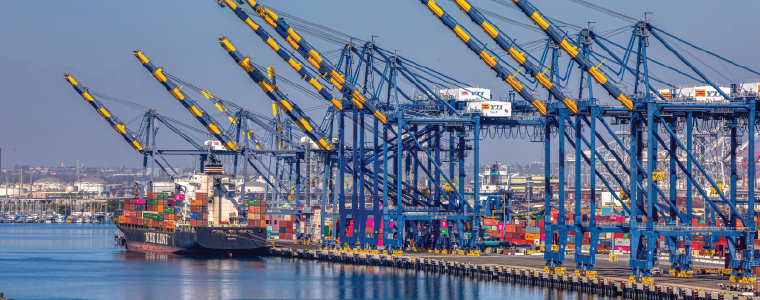
Street Turn Containers: How Approved Trucking Helps You Save Money A street turn container is an empty shipping container that is reused for another shipment without first being returned to the port or container depot. This process can eliminate unnecessary terminal trips, improve equipment utilization, and reduce drayage costs. For businesses shipping through the Ports of Los Angeles and Long Beach, efficient container management can make a significant difference in transportation expenses. At Approved Trucking, we understand that drayage costs don’t end when your container reaches its destination. How quickly containers and chassis are moved, reused, or returned can impact your total shipping costs. Our...

Read More

LTL vs. FTL: Which Is Cheaper for Southern California Shippers?

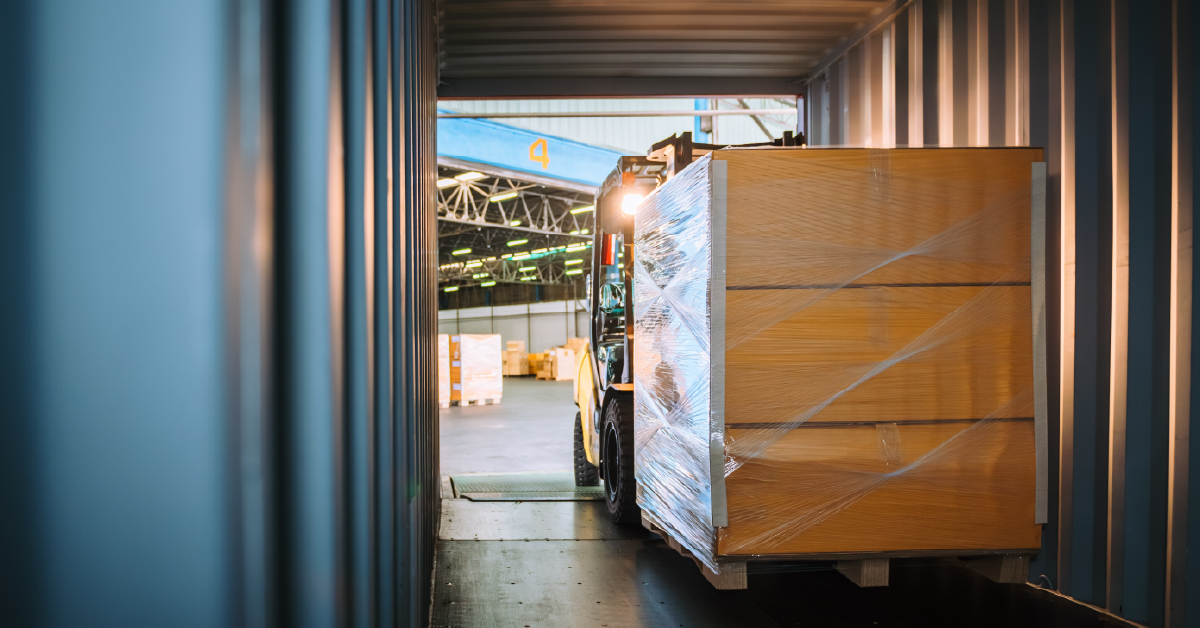
LTL vs. FTL: Which Is Cheaper for Southern California Shippers? If you’re shipping freight in or out of Los Angeles, Orange County, or the Inland Empire, one of the first decisions you’ll make on every load is whether to book it as LTL (less-than-truckload) or FTL (full truckload). The two options aren’t priced the same way, and the cheaper choice isn’t always obvious. It depends on shipment size, how far it’s traveling, and how much handling risk you’re willing to take on. Here’s how the cost comparison breaks down for shippers moving freight through the Southern California market.   The Core Difference Between LTL and...

Read More

Warehousing vs. Cross-Docking: Which One Actually Saves You Money?

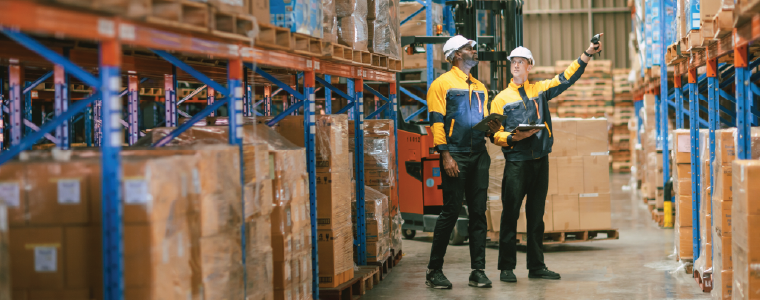
Warehousing vs. Cross-Docking: Which One Actually Saves You Money? If you’ve spent time researching supply chain strategy, you’ve probably noticed that warehousing and cross docking are often described in similar ways but they are not the same. The choice between them affects your storage footprint, labor costs, transit times, and exposure to port delays. Get it wrong, and you either end up paying to store freight you do not need to store, or trying to move freight faster than your operation is built to handle. We run both models out of our facility in City of Industry, California, just a few miles from the Ports...

Read More

How to Avoid Demurrage Charges at the Port of Los Angeles

How to Avoid Demurrage Charges at the Port of Los Angeles If you’re importing freight, demurrage charges can turn a smooth shipment into a costly nightmare — fast. Containers that sit at the terminal just a few days past their free time can rack up hundreds or even thousands of dollars in fees before you’ve had a chance to react. The good news: demurrage charges are almost always avoidable with the right planning and the right drayage partner. In this guide, we’ll break down exactly what demurrage is and the seven most effective strategies to avoid it. What Is Demurrage? (And How It’s Different from...

Read More

The Simple Guide: Transloading vs. Cross Docking

The Simple Guide: Transloading vs. Cross Docking The difference between transloading and cross-docking is that transloading focuses on switching freight between different transportation modes (like ship to rail or rail to truck) to reduce long-distance costs, while cross-docking centers on quickly transferring goods from inbound to outbound trucks with little to no storage. This blog will break down the core differences between these two processes so you can easily understand when to use each one and how they can improve your supply chain efficiency. What Is Transloading? Transloading is the transfer of goods from one transportation mode to another, such as ship-to-rail, rail-to-truck, or truck-to-container....

Read More