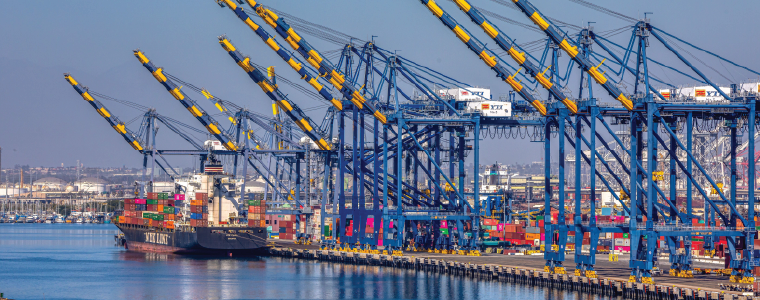
How to Avoid Demurrage Charges at the Port of Los Angeles

If you’re importing freight, demurrage charges can turn a smooth shipment into a costly nightmare — fast. Containers that sit at the terminal just a few days past their free time can rack up hundreds or even thousands of dollars in fees before you’ve had a chance to react.
The good news: demurrage charges are almost always avoidable with the right planning and the right drayage partner. In this guide, we’ll break down exactly what demurrage is and the seven most effective strategies to avoid it.

What Is Demurrage? (And How It’s Different from Detention)

Demurrage is the fee an ocean carrier charges when your loaded container remains at the port terminal beyond the agreed free time period. The clock starts the moment your container is unloaded from the vessel and stops when it leaves the terminal gate.
Free time at the Port of LA typically runs 3 to 7 days, depending on your carrier and whether you’ve negotiated a service contract. Miss that window and the meter starts running.
Detention is a separate but related charge. While demurrage is for containers sitting inside the terminal, detention is charged when a carrier’s container is held outside the terminal — at your warehouse or transload facility — beyond the free return period. Many importers get hit with both

Quick rule of thumb: Demurrage = container stuck at the port. Detention = container stuck at your facility. Both are avoidable with fast, coordinated drayage.

6 Proven Strategies to Avoid Demurrage Charges at the Port of LA

1.

Track your Last Free Day (LFD) obsessively

Your Last Free Day is the single most important date in your import cycle. Miss it by even one day and you start accruing charges. Set calendar reminders as soon as your booking is confirmed, and verify the LFD directly with your carrier — don’t rely on estimates from the freight forwarder alone. LFDs can shift if the vessel is delayed or berthing changes.

2.

Get your import documentation ready before the vessel arrives

The most common cause of demurrage is a documentation delay. Your Arrival Notice, Bill of Lading (OBL), ISF filing, and customs entry all need to be in order before your container hits the terminal gate. Work with your customs broker to have your entry filed and duties paid in advance so you can pull an Exam Release or Cargo Release the moment the container is available.

3.

Book your drayage pickup before the vessel berths
Don’t wait until your container is discharged to call a drayage company. By then, appointment slots fill up quickly — especially during peak import seasons when the Port of LA is processing millions of TEUs. Book your drayage carrier before the vessel arrives so your truck is scheduled and ready to pick up on the first available day of free time.
At Approved Trucking, we serve the Ports of Los Angeles and Long Beach with dedicated drayage capacity and flexible scheduling. Our team monitors vessel ETAs so we’re ready to move your container the moment it’s available — minimizing your exposure to demurrage from day one. Request a free drayage quote →

4.

Consider transloading to avoid return deadline pressure
If your destination warehouse can’t receive the full container before the detention clock runs out, transloading is a powerful solution. Instead of delivering the ocean container directly, your drayage driver picks it up from the port and brings it to a nearby transload facility, where freight is transferred to domestic trailers or palletized for final-mile delivery.
This gets the ocean container back to the shipping line quickly — stopping the detention clock — while your freight sits in a flexible, cost-effective transload yard rather than an expensive port terminal. Approved Trucking’s 110,000 sq. ft. transload facility in City of Industry is minutes from both major ports and fully equipped to receive ocean containers and redistribute freight to LTL, FTL, or cross-dock operations. Learn more about our transloading services →

5.

Negotiate extended free time in your service contract
Standard carrier tariffs offer 3–4 free days, but shippers with volume contracts can negotiate 7+ free days at no extra cost. If you’re importing regularly through the Port of LA, work with your NVOCC or ocean carrier to lock in extended free time as part of your annual service agreement. Even an extra 2–3 days of buffer can be the difference between a clean shipment and a hefty demurrage invoice.

6.

Monitor port congestion and plan around it
The Port of LA moves over 10 million TEUs per year, and congestion is seasonal. Peak season (August–November) typically sees higher dwell times, vessel delays, and tighter appointment availability. The 2025 tariff front-loading surge added significant pressure — TEU volumes at the Port surged double digits as importers rushed goods ahead of duty increases.
During high-congestion periods, build extra buffer time into your supply chain. If possible, shift imports to off-peak windows (January–April) or use off-dock container yards and pre-pull options to get your cargo out of the terminal before congestion bites

What to Do If You’ve Already Been Hit with Demurrage Charges

Demurrage invoices aren't always correct — and even when they are, they're sometimes negotiable. Here's your action plan:
  1. Audit the invoice immediately. Verify the actual Last Free Day against your container tracking. Carriers sometimes calculate free time incorrectly, especially when vessel delays cause arrival date discrepancies.
  2. File a dispute if the charge is incorrect. The Federal Maritime Commission (FMC) has rules requiring carriers to issue demurrage invoices within 30 days and to provide dispute resolution processes. Document everything.
  3. Negotiate a one-time waiver. If you're a regular shipper with the carrier, a first-time demurrage event caused by a force majeure (vessel delay, port labor disruption, customs exam) can sometimes be waived as a goodwill gesture. Ask — the worst they can say is no.
  4. Change your process going forward. Work with a drayage provider like Approved Trucking to build faster pickup windows into your supply chain so this doesn't happen again.
cargo ship

How Approved Trucking Helps You Avoid Demurrage at the Port of LA

Approved Trucking is a Southern California drayage company based in City of Industry, CA, strategically located between the Port of Los Angeles, Port of Long Beach, and the Inland Empire. We specialize in fast, reliable container pickup and delivery across Los Angeles, Orange County, and the Inland Empire — exactly the kind of rapid-response drayage that keeps demurrage charges off your invoice.
Here’s what sets us apart:
  • Dual-port access: Active at both the Port of Los Angeles and Port of Long Beach, across all major terminals
  • 110,000 sq. ft. transload warehouse: For importers who need flexible freight handling to avoid detention
  • Secure container yard storage: On-site storage and staging for containers that need to be pre-pulled before your warehouse is ready
  • EPA SmartWay certified fleet: Including hydrogen and electric trucks — compliant with California’s strictest emissions standards
  • Same-day scheduling availability: We book ahead so your container moves on the first available day
Whether you need a single container moved urgently or a consistent drayage partner for high-volume imports, we’re here to help. Contact Approved Trucking for a free quote and let’s make sure demurrage charges never show up on your next shipment.

Frequently Asked Questions About Transloading

Standard free time at the Port of LA is 3–7 days, depending on your ocean carrier and the terms of your service contract. Shippers with annual volume contracts can often negotiate extended free time beyond the standard tariff allowance.
Demurrage is charged when a container stays inside the port terminal past the free time allowance. Detention is charged when a carrier’s container is held outside the terminal — at your warehouse or transload facility — beyond the allowed return period. Both fees can apply to the same shipment.
Yes. If a carrier calculates free time incorrectly or issues an invoice outside the 30-day FMC window, you have grounds to dispute. Even legitimate charges can sometimes be waived by the carrier as a one-time accommodation, especially for high-volume shippers or force majeure situations.
Transloading allows you to pull your container out of the port quickly — stopping the demurrage clock — even if your final delivery destination isn’t ready to receive it yet. The container is emptied at a nearby transload facility and the equipment is returned to the shipping line, eliminating further fee exposure.
Yes. Approved Trucking provides drayage services at both the Port of Los Angeles and the Port of Long Beach, with access to all major terminals. Our City of Industry location gives us fast access to both ports and the broader Southern California freight network. Get a free quote here.

Stop Paying Demurrage. Start Moving Faster.
Approved Trucking provides fast, reliable drayage at the Port of Los Angeles and Port of Long Beach — so your containers move before the fees start. Request a quote.