



The Simple Guide: Transloading vs. Cross Docking
The difference between transloading and cross-docking is that transloading focuses on switching freight between different transportation modes (like ship to rail or rail to truck) to reduce long-distance costs, while cross-docking centers on quickly transferring goods from inbound to outbound trucks with little to no storage. This blog will break down the core differences between these two processes so you can easily understand when to use each one and how they can improve your supply chain efficiency.
What Is Transloading?
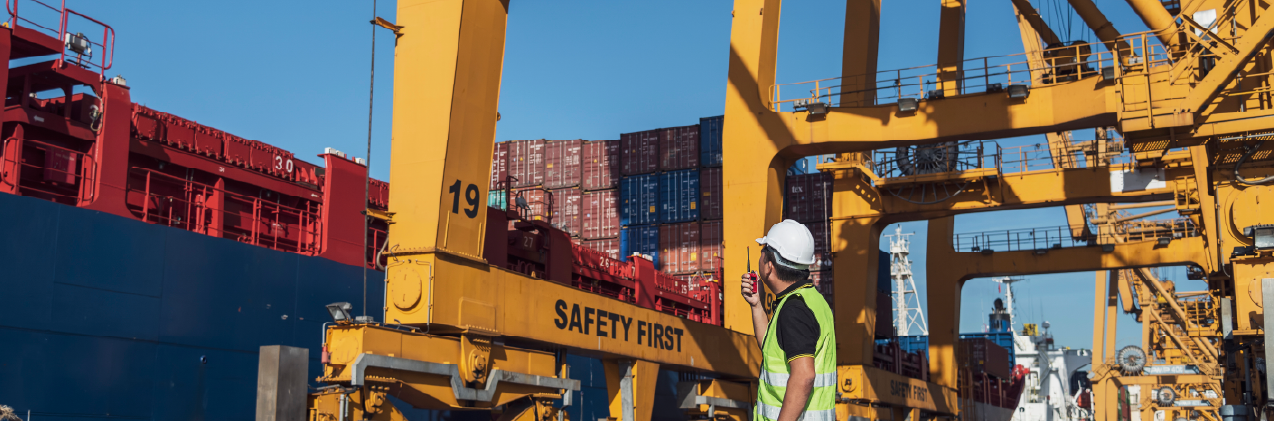
Transloading is the transfer of goods from one transportation mode to another, such as ship-to-rail, rail-to-truck, or truck-to-container.
There’s no long-term storage involved; the goal is to keep freight moving while saving money.
Why Businesses Use Transloading
- Combines multiple transportation modes to cut costs
- Helps move imports from ports to inland distribution centers
- Perfect for bulk materials, retail freight, agriculture, and manufacturing
- Useful when products need to travel long distances efficiently
What a Transload Facility Needs
- Access to major transport modes (rail, port, highways)
- Loading equipment like cranes, forklifts, and docks
- Technology for scheduling and inventory tracking
- Skilled staff trained to handle different cargo types
Looking for transloading services? We can help! Get a free quote here.

What Is Cross-Docking?
Cross-docking is a warehouse process in which products are moved directly from inbound to outbound trucks, with no storage or shelving.
Goods typically spend less than 24 hours in the building.
Why Businesses Use Cross-Docking
- Faster delivery and less handling
- Ideal for time-sensitive or high-volume products
- Cuts warehousing and inventory costs
- Helps consolidate loads from multiple suppliers
Types of Cross-Docking
Pre-distribution: Products are sorted before arriving
Post-distribution: Sorting happens at the facility
Hybrid: Mix of both for flexibility
Technology That Supports Cross-Docking
Warehouse management systems (WMS)
Automated conveyors and scanners
Real-time visibility and tracking
Transloading vs. Cross Docking: Key Differences
1.
Speed
Cross Docking: Fastest
Transloading: Slower because it involves switching transport modes
2.
Purpose
Transloading: Optimize transportation costs
Cross Docking: Speed up order fulfillment & reduce storage
3.
Storage Needs
Cross Docking: Almost none
Transloading: Minimal, but more than cross-docking
4.
Cost Structure
Transloading: Saves money through cheaper transport modes
Cross Docking: Saves money by cutting warehousing and handling costs
Labor and infrastructure vary depending on complexity and automation
Which One Do You Need?
Use Transloading if you want to:
Reduce long-distance transportation costs
Switch between ship, rail, and truck
Improve import/export efficiency
Use Transloading if you want to:
Speed up delivery
Reduce or eliminate storage
Consolidate shipments quickly
Both methods improve supply chain performance—but the right choice depends on your goals: cost savings vs. speed.
Need help deciding which method is right for your business? Reach out for a free quote, and our experts will be in touch with you!
